
How Bench Warrants Work in Grant County
One trial court serves all of Grant County. The Grant County District Court, sitting in the Eighth Judicial District, takes criminal, traffic, juvenile, family, and city ordinance filings. When someone who owes an appearance fails to show, the judge's answer is a bench warrant. No separate justice court operates here with a warrant list of its own. A warrant in any local case belongs to the District Court.
Missed Appearance, New Date, and Inactivation
Minnesota changed what a missed date can mean. Under Minnesota Statutes 629.415, a qualifying first failure to appear may bring a sign-and-release warrant instead of an arrest order. The court must take that route when a mailed summons came back undeliverable, the person had missed no earlier date in that case, and no one showed bail was needed for safety. The officer's duties are narrow. Hand over written notice of a new appearance time with the case or warrant number, release the person at the scene, and direct that the warrant be inactivated. The obligation to appear still stands in Grant County as everywhere else.
Bench Warrant Issuance in Grant County
A judge issues a bench warrant inside the case. The usual triggers are a missed appearance, a violated release condition, or a failure to follow a court order. A defendant who never answered a summons or citation can land here as well. What happens next varies. A felony case, a second missed date, or a release violation can yield a warrant that authorizes custody in Grant County. A qualifying misdemeanor or gross misdemeanor failure to appear may bring the non-arrest version instead. The case file tells you which one applies.
Grant County's Sign-and-Release Path
The rule took effect January 1, 2024, after the Minnesota Judicial Branch announced the change. The statute itself also directs each county sheriff to set a procedure with the District Court, so an officer can spot a sign-and-release warrant and get the replacement date. Grant County posts no separate local packet on this. Ask Court Administration whether the warrant qualifies, then ask what new date replaces the missed one. That page lays out the change in full.
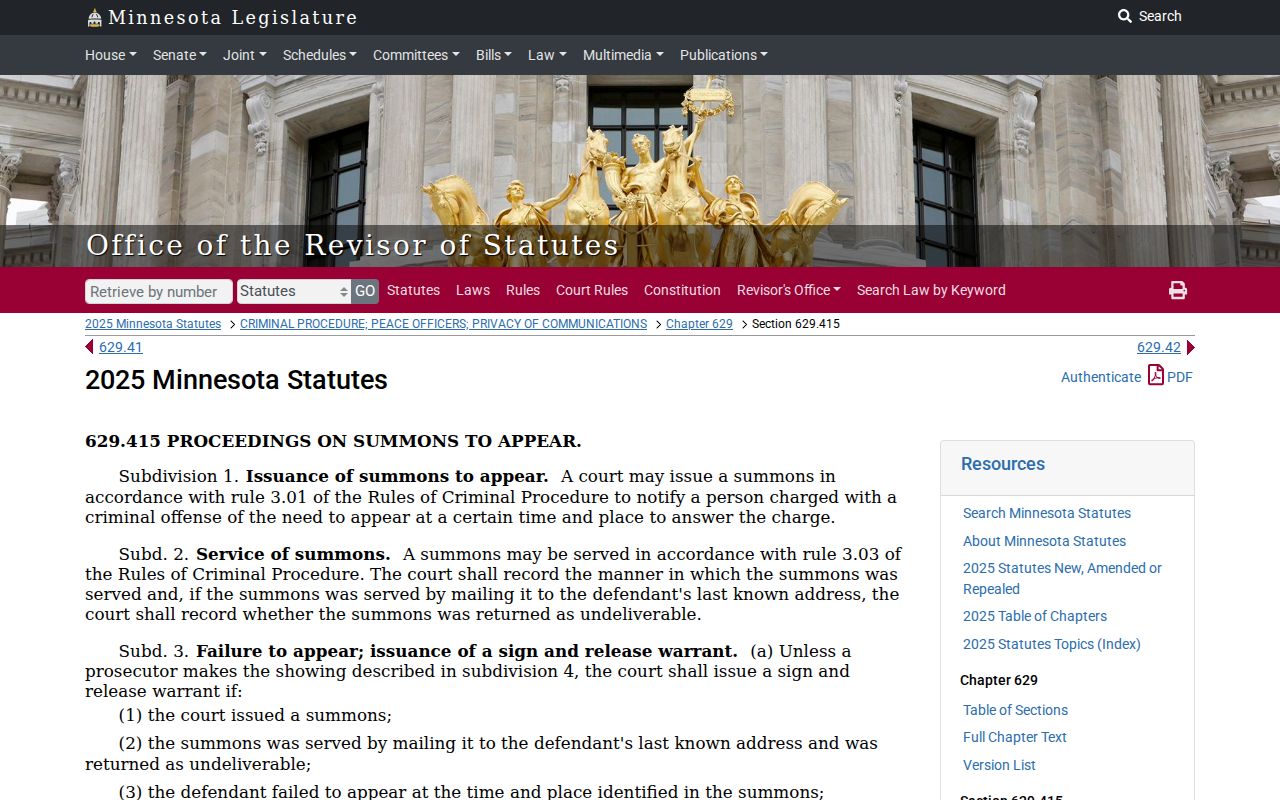
Reading the conditions first makes the call to the court a shorter one.
Key Point: A sign-and-release warrant is still a court obligation. Save the written notice and appear on the new date.
How Bench and Arrest Warrants Differ
Both warrant types sit inside a District Court case in Grant County. They begin differently and end differently. A bench warrant grows out of something that happened within an existing case, while an arrest warrant follows a charging decision backed by probable cause.
| Point | Bench or failure-to-appear warrant | Arrest warrant |
|---|---|---|
| What creates it | A missed date, missed summons, or violated condition | A complaint or affidavit showing probable cause |
| Who issues it | The judge on the existing case | A District Court judicial officer |
| Arrest authority | Often yes, but a sign-and-release warrant does not authorize arrest | Yes, it authorizes taking the person into custody |
| Usual first step | Identify the case and type, then get the next date | Talk to a lawyer about appearance and release |
For the arrest side, see the Grant County arrest warrant lookup page for a fuller treatment.
A Grant County Bench Warrant Can Hide
Online court records leave gaps. The state's MCRO questions and answers warn that an active warrant flag beside a party name may tie to a different case involving the same person. Reading the flag without opening the case can send you to the wrong counter. The same guidance notes a harder limit: a pending criminal case with no conviction will not come back through a defendant name search. Search by case or citation number instead, and call the Grant County court whenever a name search returns nothing.
Clearing a Bench Warrant in Grant County
Clearing a warrant happens in the issuing court. Grant County posts no recall form, no warrant window, and no walk-in surrender procedure, so the sequence starts on the phone. Court staff can read the file and explain what the case requires. They cannot give legal advice or change an order.
- Call Court Administration with the case or citation number and ask whether the warrant is active.
- Ask whether it is sign-and-release, and if so, what the replacement date is.
- Ask what the court requires next: a hearing, an order, a bond, or an appearance with counsel.
- Ask a lawyer about a motion to recall or quash, or about a controlled appearance.
- After any appearance or order, confirm that the case record reflects the change.
Caution: Do not ignore a known bench warrant. A missed date can add penalties, and the case stays open until the court resolves it.
The Court Administration Call Before Surrender
One call can spare you a wasted trip. The courthouse at 10 Second Street NE in Elbow Lake keeps weekday hours from 8:00 a.m. to 4:30 p.m., and the sheriff's public line is staffed around the clock. Neither office promises a warrant counter or same-day processing. Have the legal name as printed, the case or citation number, and the date on any notice. When a phone answer is not enough, the state courts publish their own ways to request copies. That page lists each option the courts accept.
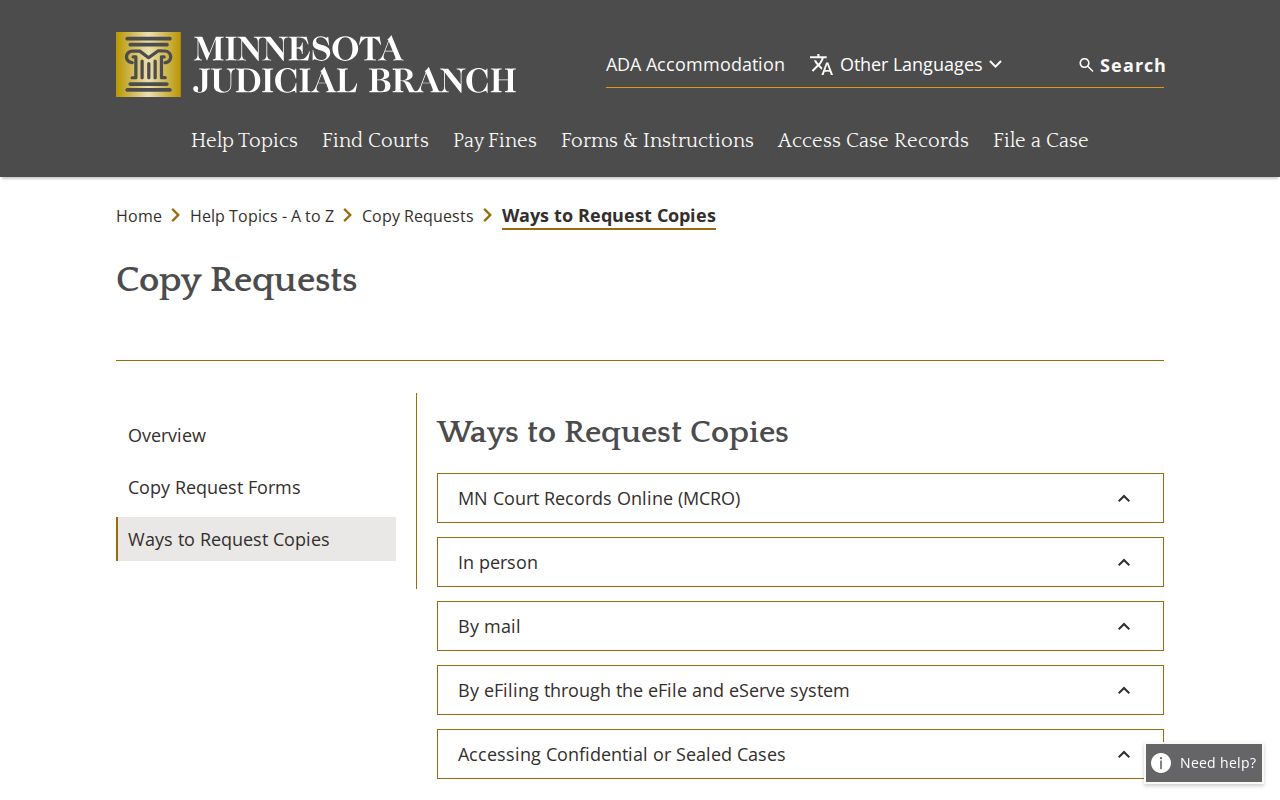
A written copy is what you take to a lawyer or bring to the next appearance. Ask the Grant County office which route fits your case.
Grant County Courts That Issue Bench Warrants
Everything routes back to one courthouse. The judge who issued the warrant and the office that answers the phone are not the same. Knowing which Grant County counter handles which question saves time.
| Issuing Court | Minnesota District Court, Grant County, Eighth Judicial District |
|---|---|
| Case Record Office | Grant County Court Administration, courthouse, Elbow Lake |
| Case Number Format | County code 26 plus case type, year, and sequence, as in 26-CR-24-###### |
| Service and Public List | Grant County Sheriff, which executes warrants and links the active warrant list |
A county court administration listing confirms the office keeps criminal, traffic, juvenile, family, and civil files for Grant County.
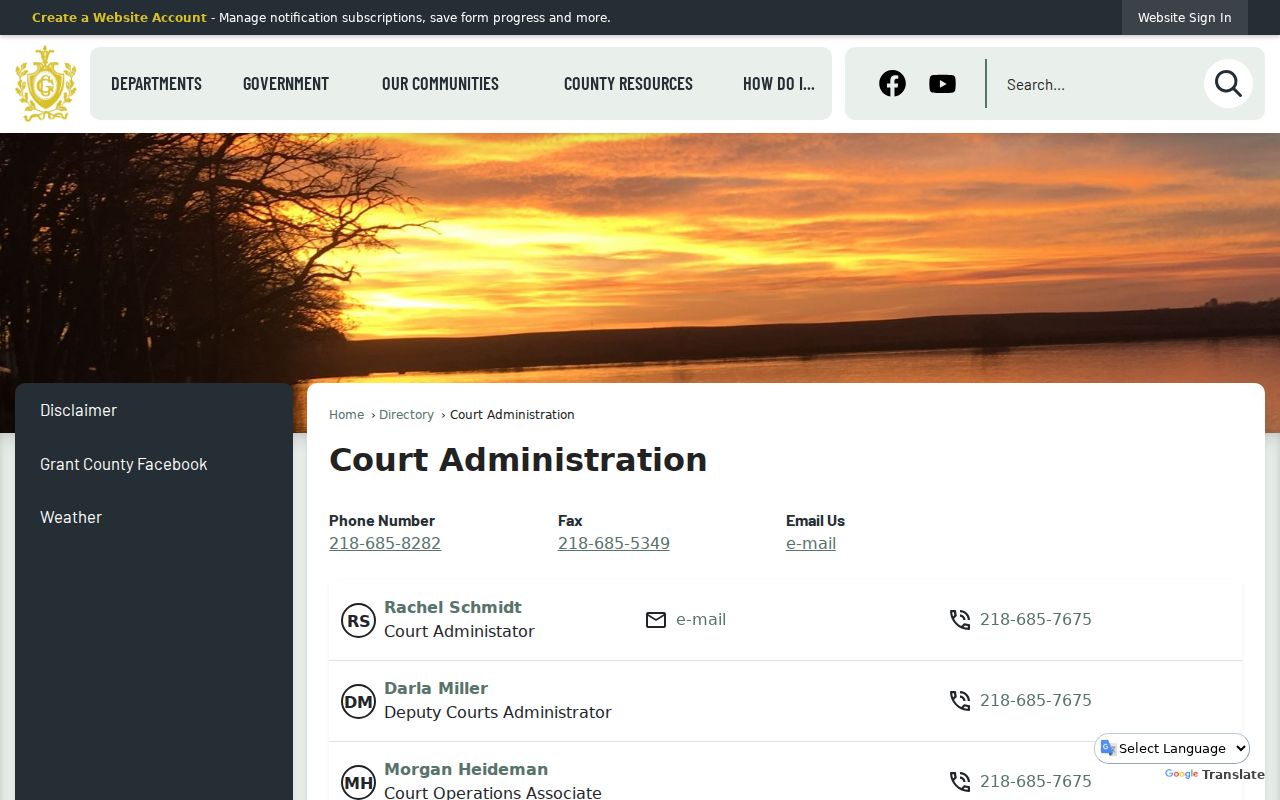
Keep that contact block close. A Grant County bench warrant question that starts with the record office usually ends with a clear next step.
Bond and a Grant County Bench Warrant
Bond on a Grant County bench warrant is set case by case. The county publishes no bond schedule and runs no jail bond window. A figure quoted from another county tells you little here. State law sends money bail to the court administrator, who holds it until the case closes.
- Inactivated
- No longer active. A sign-and-release notice triggers this.
- Recalled
- A court withdraws the warrant by order.
- Quashed
- A court sets the warrant aside, though the case can continue.
- Bond
- Money or conditions meant to secure a future appearance.
Posting bond on a Grant County bench warrant does not close the case. The next court date still stands unless a judge changes it.
Jury-Service Nonappearance Is a Different Track
A missed jury summons in Grant County runs on a different track than a bench warrant. The state handles juror no-shows with a show-cause process, not an entry on the county's criminal warrant list. The paperwork you received says which one applies. Start there.