
How Arrest Warrants Work in Grant County
In Grant County, a judge decides whether the evidence supports an arrest warrant. No local packet spells out the steps. Instead, the process runs on the Minnesota criminal procedure rules and Chapter 629, with the Grant County District Court handling the case. The sheriff's office plays a different role entirely. It never issues the order. Its job is to serve and execute the warrant, keep law-enforcement records, and guard court security. That split matters when you pick up the phone: the court explains the case, and the sheriff explains service.
Why an Arrest Warrant Index May Be Confidential
Under Minnesota Statutes 13.82, a law-enforcement arrest warrant index can stay confidential until custody, service, or a court appearance, unless the agency sees a public purpose in releasing it. That is why someone might get a notice, or hear from a lawyer about a warrant, without it ever showing on a public list. Grant County is not hiding a broken record. This is simply how the data classification works, and active investigative data can be withheld for the same reason.
Key Point: A missing entry proves nothing. Confirm with the court that holds the case and with the sheriff who would serve the order.
Grant County Arrest Warrants: What They Contain
A Grant County arrest warrant is a short document. It names the person, the case, and the authority behind the order, then points to the complaint or affidavit for the details of the allegation.
| Case or Warrant Number | County code 26 plus case type, year, and sequence, as in 26-CR-24-###### |
|---|---|
| Issuing Court | Minnesota District Court, Grant County, Eighth Judicial District |
| Charge | The offense alleged in the complaint or affidavit |
| Release Terms | Set case by case; the county publishes no schedule |
| Status | Active, served, recalled, or quashed |
| Serving Agency | Grant County Sheriff or another authorized peace officer |
It authorizes an apprehension and a court appearance in Grant County, and the charge still has to be resolved.
A Search Warrant Is Not an Arrest Warrant
A judge signs both papers, so people mix them up. In Grant County they do different work, and the difference shapes every question that follows.
| Point | Search warrant | Arrest warrant |
|---|---|---|
| What it authorizes | A search of a place, vehicle, or item | Taking a named person into custody |
| What it is not | A public check on whether someone has a warrant | A conviction or a finding of guilt |
| Where it shows | Court records and law-enforcement files, subject to access rules | Court case file, plus any published list entry |
Minnesota posts no search-warrant documents online right now, so do not expect to find that paperwork in a public file. Ask the Grant County court about its access rules.
How Warrants Get Served in Grant County
The Grant County Sheriff serves most local warrants, though other authorized peace officers can execute one too. A traffic stop, a home visit, or the courthouse: any of those can be the setting. Service looks different every time.
Grant County Sheriff's Office
10 2nd Street NE, Elbow Lake, MN 56531 · 218-685-8280 · round-the-clock public hours listed
The sheriff's agency page lists central records, civil process, court security, and prisoner transport. None of that promises a booking window or a walk-in surrender counter in Grant County, so call before visiting.
Checking a Grant County Case in MCRO
Minnesota Court Records Online is the state's free view of public District Court cases and their documents. A case number makes the hunt easier. The name search is exact, so spell it just right. One quirk matters here. A pending criminal case with no conviction will not come back under a defendant's name. The state's MCRO questions and answers add a second caution about warrant flags in Grant County and everywhere else. A warrant flag beside a party can belong to a different case involving the same person, so open the case itself and read the history before trusting the flag.
Grant County Arrest, Summons, and Bench Warrants
Three Grant County court papers can bring a person before a judge, and swapping their labels causes real confusion. Each one sets who moves first and what the person must do next.
| Point | Summons | Arrest warrant | Bench or FTA warrant |
|---|---|---|---|
| How it starts | A charging document with a court date attached | A probable-cause decision by a judicial officer | A missed date or violated condition in an open case |
| Who acts first | The defendant, who appears voluntarily | A peace officer who serves the order | The defendant, who addresses the missed obligation |
| First question | What does the appearance require? | Can counsel arrange an appearance and release? | Is this sign-and-release, and what is the new date? |
A sign-and-release warrant holds the third slot and plays by its own rule in Grant County. No arrest is authorized; the officer simply hands the person a new court date.
Federal Warrants Are a Separate Layer
Grant County sits inside the federal District of Minnesota. Federal criminal warrants come from federal court, and the U.S. Marshals Service does most of the serving. No county list can confirm or clear one. The District of Minnesota handles those cases, and federal dockets are searched through PACER.
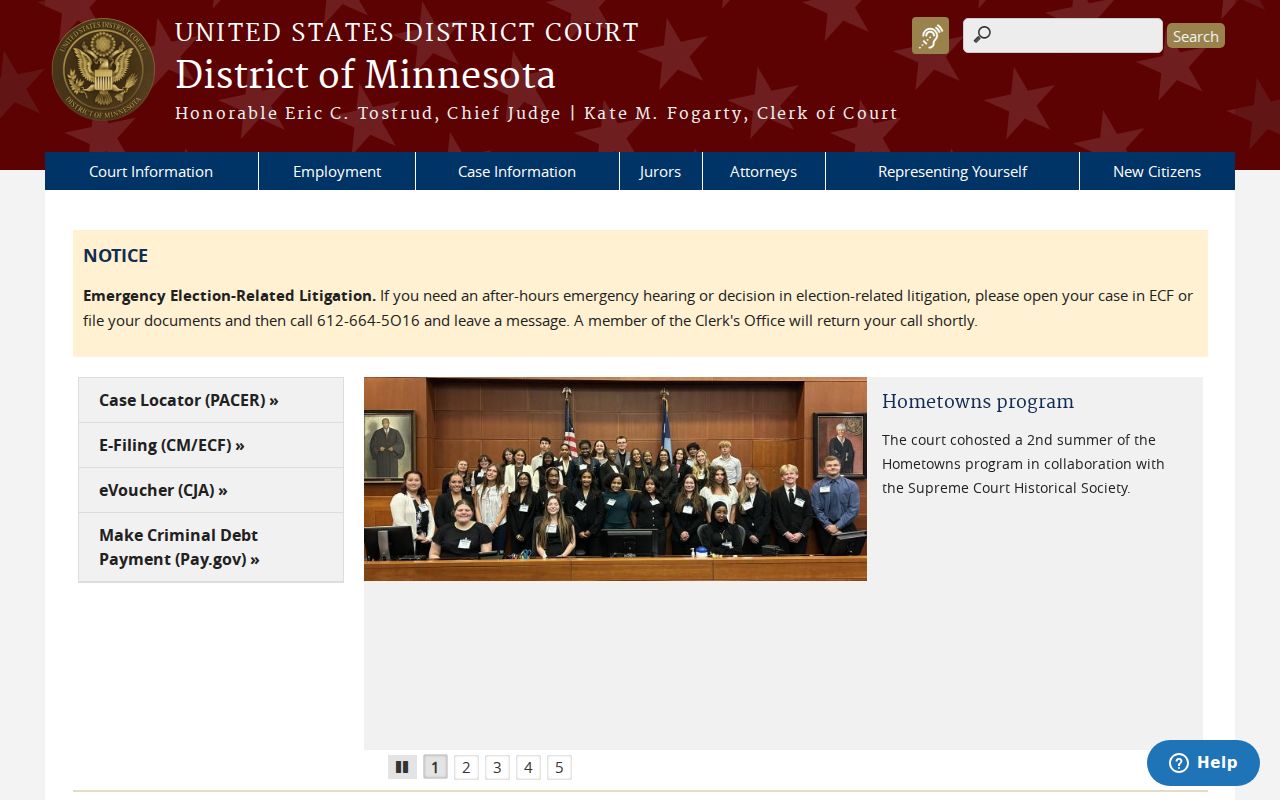
Federal court runs on its own rules. Its case numbers and sealing rules look nothing like Grant County District Court's.
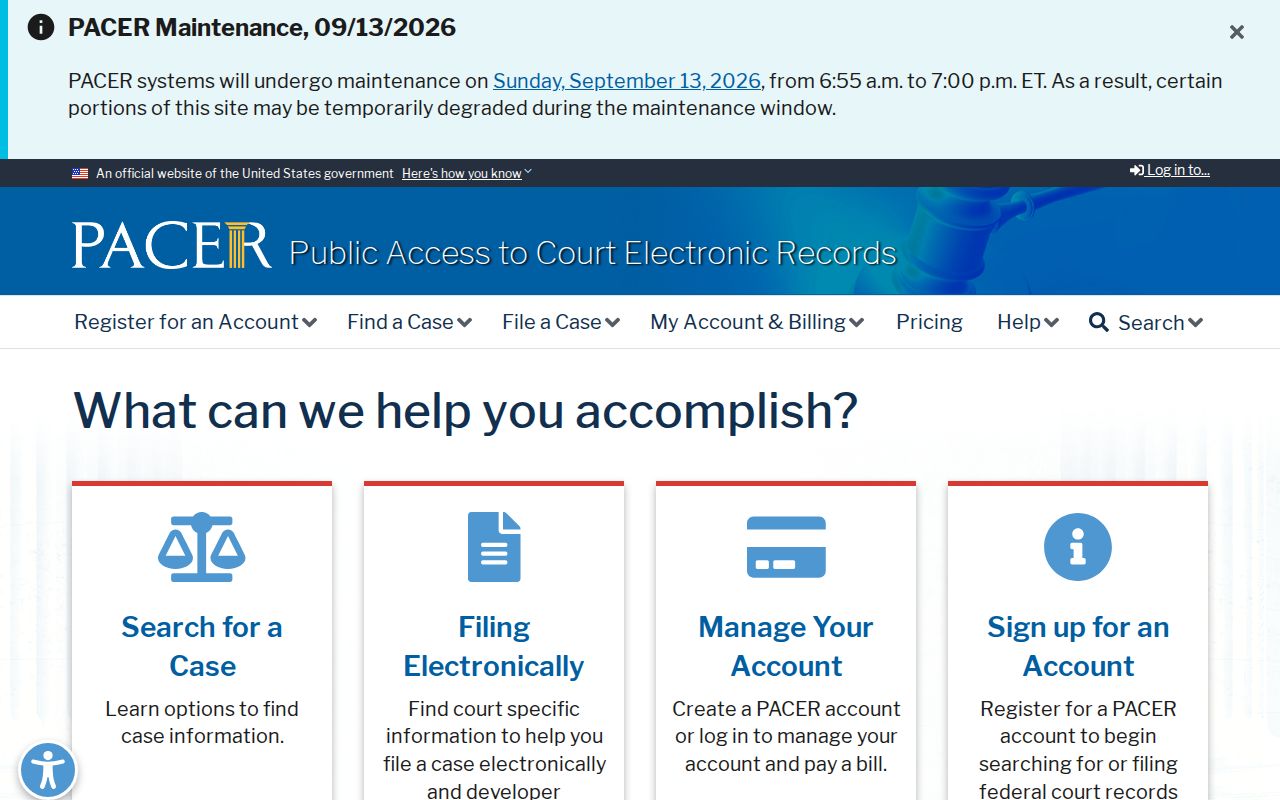
A sealed federal complaint may stay hidden in every public system. If a federal notice arrives for anyone tied to Grant County, calling counsel is the right first move.
Handling an Arrest Warrant in Your Name
Work through the case, not around it. Grant County's own website cannot handle this part. An attorney can ask the court about a controlled appearance, a motion, or a release plan, and can walk you through each step.
Important: Do not let a traffic stop raise this for you. Talk to a lawyer before turning yourself in, and ask the court which documents to bring.
- Confirm whether the item is an arrest warrant, a summons, or a bench warrant.
- Write down the case number, the issuing court, and any release terms.
- Ask Court Administration what the case record shows and what comes next.
- Call the sheriff about service status and which office handles the file.
- Ask counsel about a recall motion, an appearance, or bond before acting.
Grant County Bond Terms Are Case-Specific
Bond is set case by case. Grant County publishes no bond schedule, no jail bond window, and no accepted-payment list. The charge, the release history, and the judge drive the amount and the conditions. Money bail goes to the court administrator, which holds it until the case wraps up.
- Release without bail
- Court conditions apply with no money deposited.
- Cash bail
- Money held by the court administrator.
- Surety bond
- Arranged through a licensed provider, with terms to confirm.
- Forfeiture
- What a court can record after a bond-backed failure to appear.
A Grant County bond gets you released, not cleared; the case stays open, so get the receipt and next court date in writing.